

Poro Poro
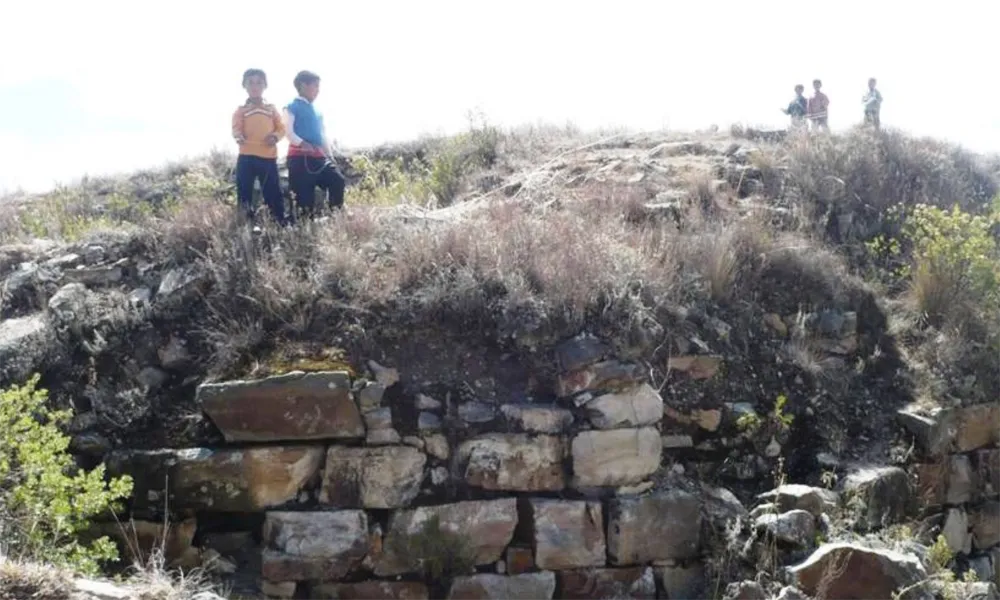
The archaeological site of Poro Poro, located in the district of Catache (province of Santa Cruz, Cajamarca), is one of the most enigmatic sanctuaries of the Andean Formative Period. Nestled in the cloud forests of Udima, this stone complex combines the majesty of the landscape with an ancestral ritual system dedicated to water, the stars, and the fertility of the earth. Its importance lies in the fact that it preserves stone altars, terraces, carved channels, and cave paintings, which reveal an organized cult that existed long before the splendor of the Incas.
Location and historical context
Poro Poro is located between 2,500 and 2,800 meters above sea level in the western basin of the Andes. It is part of the Udima Cloud Forest Wildlife Refuge, a protected natural area created to conserve both biodiversity (home to the Andean bear and the jaguarundi) and the cultural treasures of the area.
Historically, the first reports of the site were made in 1958, but it was not until Walter Alva’s excavations in 1978 that the magnitude of the complex was revealed. Subsequent studies identified ceremonial complexes such as La Grada, El Púlpito, La Escuela, and El Calvario. The latter preserves more than 40 pictographs of felines, anthropomorphic characters, and geometric figures related to fertility rites and solar observation.
How to get to Poro Poro
- From Chiclayo (Lambayeque): There are two routes:
-Chiclayo → Oyotún → La Florida → Monteseco → Udima → Poro Poro.
-Chiclayo → Chongoyape → Catache → Culden → Udima → Poro Poro.
Both options involve a final stretch on rural trails, which require a 4×4 vehicle or a hike accompanied by a local guide.
- From Cajamarca city: The journey is longer, crossing the province of Santa Cruz to Catache and then on to Udima.
Estimated time: Between 5 and 6 hours from Chiclayo, or 7 to 8 hours from Cajamarca.
Climate and best time to visit
The climate is temperate Andean with frequent fog. Rainfall is heavy between February and April, which complicates access. The best season to visit is between May and September, when the roads are firmer and clear views allow you to enjoy the cloud forests and waterfalls.
Main attractions
- El Púlpito: Carved block with steps and platforms that is believed to have been a ritual altar.
- La Grada: Set of ceremonial steps with wells and channels carved into the rock.
- El Calvario: A rock formation with pictographs dating back to the Formative Period, offering a window into the symbolic thinking of its ancient inhabitants.
- Chorro Blanco Waterfall: Viewed from the complex, it is considered sacred within the water ritual.
- Cloud Forests: Hikes with landscapes of giant ferns, orchids, and endemic fauna.
Recommended activities
- Archaeological trekking through the Poro Poro sites.
- Observation of rock art with local interpretation.
- Wildlife viewing (Andean bear, high Andean birds).
- Photography of landscapes and waterfalls.
- Connection with rural communities in Catache and Udima.
Reference prices
- Entrance to the area: Free (there is no official ticket office).
- Local guide: S/ 60–120 per group, depending on the length of the visit.
- Private transportation (4×4) from Catache/Udima: S/ 200–400 (round trip).
- Tours organized from Chiclayo or Cajamarca: From US$ 80 per person (full day), with transportation and guide.
- Basic accommodation in Santa Cruz or Catache: S/ 40–80 per night.
Recommended hotels
- In Santa Cruz de Cajamarca: Basic hostels with private rooms and simple amenities.
- In Catache: Family-run lodgings with basic amenities, ideal for travelers seeking authentic experiences.
- In Cajamarca city or Chiclayo: 3- to 4-star hotels, perfect for those who want more comfort before or after their adventure.
Local cuisine
A visit to Poro Poro is complemented by the flavors of Cajamarca:
- Fried guinea pig with golden potatoes.
- Caldo verde (traditional herb soup).
- Humitas and Cajamarca cheeses.
- Seco de cabrito with beans and rice with duck (influenced by nearby Lambayeque).
- Desserts made with manjar blanco and cane honey.
Practical tips
- Wear hiking boots, waterproof clothing, and sunscreen.
- Travel by 4×4 during the rainy season.
- Hire local guides to understand the history and support the community.
- Bring cash in soles, as there are no ATMs in the area.
- Respect the rules of the protected area: do not touch cave paintings or alter carved blocks.
Frequently asked questions
Is it a safe destination?
Yes, although it is recommended to go in a group or with a guide due to the isolated nature of the trails.
Does it require good physical condition?
The trekking is moderate. You will walk on uneven and damp trails.
How long does the visit last?
From Catache, it can be done as a half-day excursion, but ideally, you should allow a full day to explore at a leisurely pace.
Is there cell phone reception?
Very limited. It is advisable to notify someone before you leave and to be fully prepared.
Suggested itinerary (1 day from Catache)
- Morning: Transfer to the village of Poro Poro → Tour of La Grada and El Púlpito.
- Midday: Box lunch or picnic at a natural viewpoint.
- Afternoon: Walk to El Calvario and observation of pictographs → Return to Catache.