

Santa Bárbara in Huancavelica and the mining camps of Cerro de Pasco
Peru is not only a country of vivid and colorful landscapes; it is also a land of towns frozen in time. Santa Bárbara, in Huancavelica, and the half-empty mining districts of Cerro de Pasco are testaments to a past marked by the rise of mining and its subsequent abandonment. Both places, now almost uninhabited, invite the curious traveler to immerse themselves in stories of splendor and tragedy, among mountains and open pits that hold echoes of Andean memory.
History and Context
Santa Bárbara (Huancavelica)
Known as the “Mine of Death,” Santa Bárbara was one of the most important mercury deposits in South America during the 16th to 19th centuries. Discovered in 1563, it supplied quicksilver to the silver mines of Potosí, becoming a key element of the colonial economy. However, the exploitation came at a high human cost: thousands of indigenous people died from mercury toxicity and tunnel accidents. In 1786, a catastrophic collapse buried hundreds of workers. Over time, the mine closed, and the surrounding village was deserted.
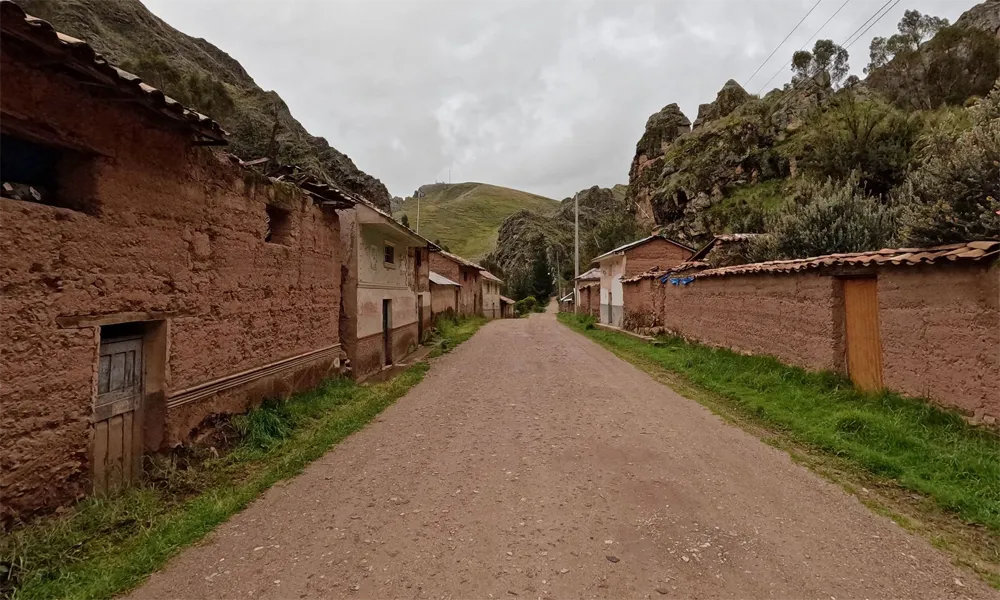
Today, among the mountains of Huancavelica, you can see abandoned stone houses, a ruined chapel, sealed mine entrances, and remains of mining infrastructure, all amid a solitary and haunting landscape.
Cerro de Pasco and its ghost towns
Founded in 1578 as a mining camp, Cerro de Pasco grew to become the mining capital of Peru. However, the expansion of the Raúl Rojas open-pit mine and serious environmental pollution problems led to the depopulation of many neighborhoods. Ayapoto is the most emblematic example: its streets were empty, its houses boarded up, and daily life interrupted.
Furthermore, areas like Colquijirca preserve remains of old mining camps where you can still see workers’ houses, dusty streets, and reminders of the mining splendor of the 20th century. Today, these places represent both the wealth extracted from the earth and the social and environmental costs it brought.
How to get there
- To Santa Bárbara (Huancavelica):
From Lima, you can take a bus to Huancayo (7–8 hours) and then take the Tren Macho (Macho Train) or a bus to Huancavelica (4 hours). From the city, a taxi or local tour takes 30–40 minutes to reach the ghost town. There is also a two-hour hike from the town of Ascensión, passing through Callqui. - To Cerro de Pasco:
Direct buses from Lima (7–9 hours). Once in the city, you can hire a taxi or local guide to visit the ghost towns and open-pit viewpoints.
Climate and Best Time to Visit
Both destinations are located at over 3,800 meters above sea level.
Dry season (May to September): clear skies, ideal for photography and hiking.
Rainy season (November to March): frequent fog, slippery ground, and reduced visibility.
Temperatures range from 5°C during the day to below zero at night.
Main Attractions
- Santa Bárbara:
- Ghost town with stone houses and deserted streets.
- Ruins of the colonial chapel.
- Remains of the mercury plant and mine entrances.
- Viewpoints toward the city of Huancavelica.
- Cerro de Pasco:
- Ayapoto neighborhood, a symbol of abandoned mining.
- Viewpoints of the Raúl Rojas open-pit mine, one of the largest urban mines in the world.
- Historic camps of Colquijirca.
- Social memory tours about pollution and relocations.
Recommended activities
- Photo walks through abandoned hamlets.
- Guided cultural tours explaining mining history.
- Visits to natural viewpoints.
- Experiential tourism in communities near Huancavelica or Pasco, combining the experience with local crafts and cuisine.
Reference Prices
- Tour to Santa Bárbara from Huancavelica: S/ 50–80 per person.
- Private round-trip taxi from Huancavelica to Santa Bárbara: S/ 60–120.
- Local guide in Cerro de Pasco (3 hours): S/ 80–150.
- Pasaje Lima – Huancavelica: S/ 70–140.
- Pasaje Lima – Cerro de Pasco: S/ 60–120.
Travel Tips
- Bring warm clothing, gloves, a hat, and sunscreen.
- Acclimatize at least 24 hours before strenuous hikes.
- For safety reasons, do not enter tunnels or mining facilities.
- Avoid contact with contaminated water or tailings.
- Travel with a local guide for historical information and to move around safely.
- Bring cash, as signal and ATMs are limited.
Recommended Hotels
- In Huancavelica: simple hotels near the Plaza de Armas, family-run hostels, and rural lodges.
- In Cerro de Pasco: basic accommodations in the city; for greater comfort, we recommend staying overnight in Oxapampa or Huayllay, where there are more tourist services.
Cuisine
- Huancavelica: guinea pig stew, spicy puca, fresh trout, and artisanal cheeses.
- Pasco: green broth, pachamanca, charqui with native potatoes, and traditional breads.
- Drinks: coca tea and muña, recommended for altitude sickness.
Suggested Itinerary (2 days)
Day 1 – Huancavelica and Santa Bárbara
- Arrival in Huancavelica, guided tour of the Plaza de Armas.
- Excursion to Santa Bárbara: tour of the ghost town and viewpoints.
- Dinner with typical dishes and rest in the city.
Day 2 – Cerro de Pasco
- Bus transfer to Cerro de Pasco.
- Tour of the Tajo viewpoints and visit to the Ayapoto ghost town.
- Local cuisine tasting.
- Return to Lima or continue to Huánuco/Oxapampa.
Frequently Asked Questions
Is it safe to visit ghost towns?
Yes, as long as you do so with a local guide and do not enter restricted areas or sinkholes.
Is there cell phone reception?
The signal is spotty in Santa Bárbara and moderate in Cerro de Pasco.
What is the best time to go?
The dry season (May–September) due to the stable weather.
How difficult is the hike?
The hikes are moderate, but the altitude requires good acclimatization.