

Rituals in Danger of Extinction
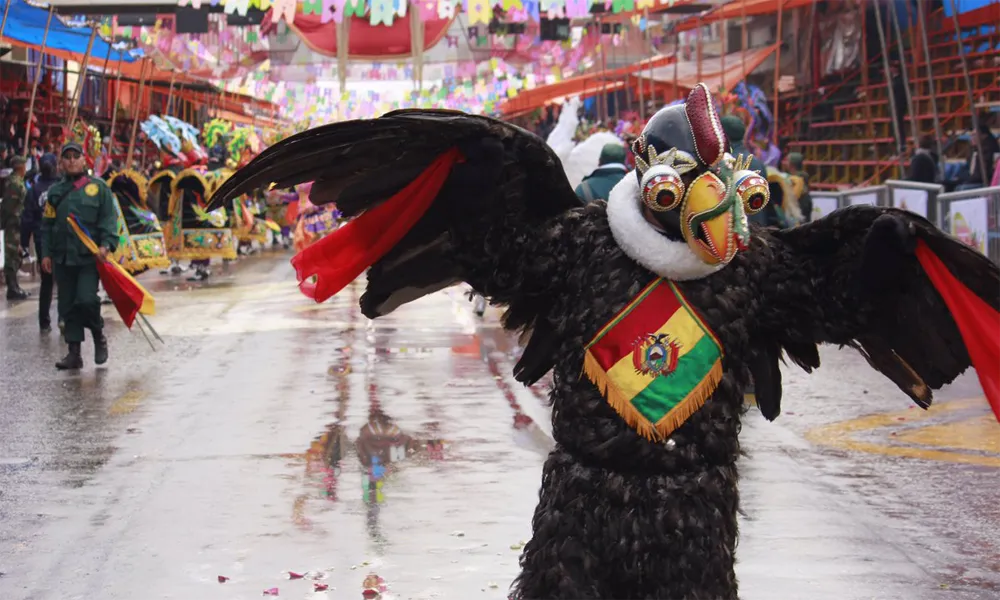
The dance of the condors is one of the oldest and most symbolic Andean rituals in Peru, combining tradition, worldview, and cultural resistance. Found mainly in Apurímac, Cusco, and Arequipa, this ritual is inspired by the Andean condor (Vultur gryphus), a bird sacred to the Incas, considered a messenger of the apus and a symbol of connection between the earthly and spiritual worlds. However, this ritual faces the risk of disappearing due to migration, the disinterest of younger generations, and modern regulations on animal welfare and conservation. Today, local communities seek to keep the tradition alive by adapting the performances to protect the condor and preserve its ancestral significance.
History and spiritual significance
The dance of the condors has its roots in the Inca and pre-Inca worldview, where the condor represented the link with the gods and the Hanan Pacha (upper world). During the colonial era, the ritual was transformed and incorporated new elements, giving rise to celebrations such as the Yawar Fiesta, where the condor on a bull symbolized the struggle between the indigenous and Hispanic worlds. Over time, variations emerged that integrated music, costumes, dances, and oral narratives passed down from generation to generation.
Today, in many communities, the practice has evolved into symbolic forms, replacing the actual use of animals with theatrical and choreographic representations. In this context, the Qashwa de los Cóndores de Chumbivilcas (Cusco) is one of the most outstanding expressions, where dancers reproduce the flight of the condor with circular movements and rapid turns, evoking the freedom and grandeur of this majestic bird.
Where and when to experience the dance
1. Apurímac – Coyllurqui (Cotabambas)
- Main festival: Yawar Fiesta
- Recommended month: July and August, coinciding with the national holidays.
- What to see: parades, food fairs, troupes performing ancestral music, and oral stories from elders who convey the symbolism of the ritual.
- Recommendation: check with the Municipality of Coyllurqui or community committees for the updated schedule.
2. Cusco – Chumbivilcas (Santo Tomás)
- Main festival: Qashwa/Condor Qashuay
- Recommended month: June and July, during the Cusco Festivities.
- What to see: Colorful parades, choreographed dances with outstretched wings, traditional bands, and textile and craft fairs.
3. Arequipa – Colca Valley (Caylloma)
- Highlight: cultural festivals and parades featuring condor allegories.
- Best time: May to October, taking advantage of the dry season and the sighting of condors in their natural habitat, especially at the Cruz del Cóndor viewpoint.
How to get there
- Cusco → Chumbivilcas (Santo Tomás):
Buses and minivans depart daily from the Urcos Terminal or Paradero Sur in Cusco.
–Duration: 8 to 10 hours.
–Cost: S/ 80 – S/ 120 per person.
- Abancay → Cotabambas → Coyllurqui (Apurímac):
Access via interprovincial buses and shared taxis.
–Duration: 6 to 8 hours.
–Cost: S/ 70 – S/ 100 per person.
- Arequipa → Colca Valley (Chivay or Cabanaconde):
Daily buses from the Arequipa Bus Terminal.
-Duration: 3.5 to 6 hours depending on destination.
-Cost: S/ 30 – S/ 60 per trip.
Climate and best season
- Dry season: May to September
-Sunny days, cold nights (0°C to 8°C).
-Ideal for festivals, dances, and excursions.
- Rainy season: November to March
-Roads can become difficult; some festivals are rescheduled.
- Recommendation: to see the dance in all its splendor, plan your visit between June and August.
Recommended itineraries (3 days / 2 nights)
Itinerary 1: Coyllurqui (Apurímac)
- Day 1: Arrival, tour of viewpoints and community fairs.
- Day 2: Attendance at parades, exhibitions of ancestral music, and condor dances.
- Day 3: Rural tour of terraces and return.
2: Santo Tomás (Chumbivilcas, Cusco)
- Day 1: Transfer from Cusco, welcome dinner with local cuisine.
- Day 2: Presentation of the Qashwa/Condor Qashuay, embroidery workshops, and craft fairs.
- Day 3: Horseback riding tour and return.
Itinerary 3: Colca Valley (Arequipa)
- Day 1: Arequipa → Chivay, visit to hot springs.
- Day 2: Condor watching and participation in festive parades.
- Day 3: Hike to secondary viewpoints and return to Arequipa.
Reference prices for 2025
Item Approximate price (S/)
Interprovincial transport 60 – 180
Colca tour (full day) 120 – 220
Colca Tourist Ticket 40 nationals / 70 foreigners
Local community guide 80 – 150
Basic rural accommodation 50 – 120
Comfort lodges in Colca/Cusco 180 – 420
Entrance to community fairs Free or from S/ 10
Where to stay
- Community lodgings: available in Coyllurqui and Santo Tomás, ideal for an immersive experience.
- Boutique hotels in Colca: options such as Colca Lodge and Killawasi Lodge with views of canyons and access to hot springs.
- Urban base: in Cusco and Arequipa there is accommodation ranging from budget hostels to 4★ hotels.
Traditional cuisine
- Cusco/Chumbivilcas: chiri uchu, qapchi de habas, mote broth, chicharrón.
- Apurímac: Andean trout, mushroom kapchi, ceremonial breads.
- Colca/Arequipa: adobo arequipeño, quinoa soup, cuy chactado.
- Typical drinks: chicha de jora and frutillada.
Practical advice
- Altitude: up to 4,000 m above sea level; stay well hydrated and avoid heavy meals on the first day.
- Clothing: thermal clothing, waterproofs, hat, gloves, and sunscreen.
- Health: bring altitude sickness pills if your doctor recommends them.
- Money: cash in small bills; many communities do not accept cards.
- Cultural respect: ask permission before photographing dancers and musicians.
Conservation and ethics
The Andean condor is classified as Vulnerable. It is recommended to:
- Not participate in activities that use wild animals.
- Prioritize theatrical performances or symbolic dances.
- Support local conservation and environmental education projects.