

Complete Guide to Discovering Peru’s Paradise of Adventure and Tradition
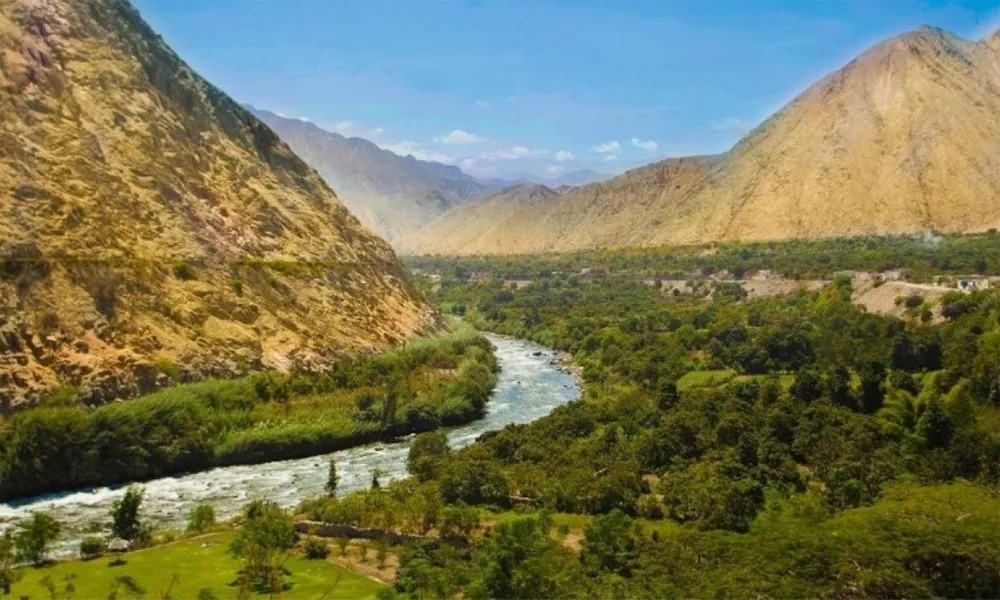
Located in the province of Cañete, Lima region, Lunahuaná is one of Peru’s most charming tourist destinations. Famous for its sunny climate, its river perfect for adventure sports, its exquisite cuisine, artisanal vineyards, and rich cultural heritage, this small town has become a must-see for those seeking nature, adrenaline, and tradition. In this comprehensive guide to tourism in Lunahuaná, we tell you everything you need to know: how to get there, what to do, history, approximate prices, recommendations, and much more.
1. Brief history of Lunahuaná
Lunahuaná has pre-Hispanic roots. It was originally occupied by the Huarco culture, who established strategic settlements in the Cañete River valley. Later, during the height of the Inca Empire, this territory was annexed by Pachacútec after a series of military campaigns. Proof of this is the Incahuasi archaeological complex, known as “the house of the Inca,” built to consolidate Inca rule in the area and facilitate communication routes to the south.
During the colonial period, Lunahuaná maintained its agricultural importance and became an area renowned for its production of wine and pisco, an activity that continues today as a symbol of local identity.
2. How to get to Lunahuaná from Lima?
Lunahuaná is located just 115 miles south of Lima, which is approximately a 3-4 hour drive.
🚌 By public transport:
- From Lima, head to San Vicente de Cañete (buses from Av. México, La Victoria).
- From Cañete (Imperial), take a combi or shared taxi to Lunahuaná (approx. 1 hour).
🚗 By car:
- Take the Panamericana Sur highway to the turnoff for Imperial (at km 144).
- Follow the road east until you reach Lunahuaná.
Tip: Traveling by car gives you the freedom to explore the entire valley, as the attractions are scattered along the river.
3. Climate in Lunahuaná: when is the best time to travel?
Lunahuaná enjoys a warm, dry climate almost all year round. It is ideal for those escaping the Lima winter.
Season Climate Ideal for
March to December Sunny and mild (18–30°C) Adventure sports, sightseeing
January and February Light rain Fewer tourists, green landscapes
Best time: Between April and November, especially during long weekends or holidays.
4. Main tourist attractions in Lunahuaná
🏛️ 4.1. Incahuasi Archaeological Complex
Built by the Incas under the orders of Pachacútec, this complex served as a strategic point of military and logistical control. It is located in the Paullo sector and preserves walls, warehouses, ceremonial enclosures, and roads.
Entrance fee: approx. S/ 5.
Hours: 8:00 a.m. – 4:00 p.m.
🌊 4.2. Cañete River: rafting, canoeing, and kayaking
The Cañete River is ideal for adventure sports such as:
- Canoeing (levels II, III, and IV)
- Kayaking
- Paddle boarding
- Sport fishing
Approximate cost per person (canoeing): S/ 40 – S/ 60 (includes guide and equipment).
🧗 4.3. Extreme sports and nature
In addition to canoeing, Lunahuaná offers:
- Ziplining over the valley (up to 1 km long)
- ATVs and bicycles to explore the landscape
- Climbing and rappelling
- Horseback riding through agricultural areas
Approximate prices:
- Zipline: S/ 30 – S/ 50
- ATVs: S/ 60 for 30 minutes
🍷 4.4. Wine and pisco cellars
Lunahuaná is a land of winegrowers and pisco producers. You can visit artisanal and modern wineries to taste and buy:
- Bodega Los Reyes
- Bodega Santa María
- Bodega El Paraíso
- Bodega Viña Los Girasoles
Admission and tasting: Generally free or S/ 5 – S/ 10
Guided tours available.
⛪ 4.5. Colonial Church of Lunahuaná
Built in the 17th century, the Santiago Apóstol Church is one of the best-preserved colonial buildings in the area. Its main square is surrounded by picturesque restaurants and cafés.
5. Local cuisine: what to eat in Lunahuaná
The typical food of Lunahuaná combines Creole, coastal, and mountain influences. Some must-try dishes:
- Shrimp in chupe or a la piedra (available in season, March–November)
- Fried trout
- Carapulcra with dry soup
- Chactado rabbit
- Shrimp ceviche
- Artisanal bread with local cheese
- Passion fruit or grape pisco sour
6. Recommended hotels and lodgings in Lunahuaná
Hotel / Lodging Type Approx. price Notable for
Hotel Los Palomos Boutique S/ 400 – S/ 600 Nature and comfort
Prince Lunahuaná Ecolodge S/ 250 – S/ 350 River view
Refugio de Santiago Ecohotel S/ 300 – S/ 500 Gastronomic and ecological
Sol de Luna Lodging Economical S / 80 – S/ 120 Good location
7. Practical tips for visiting Lunahuaná
- 💧 Bring sunscreen, insect repellent, and water.
- 🚗 Ideal for traveling by car; if not, plan your internal transfers.
- 🕒 Arrive early for activities; there is high demand on holidays.
- 🍷 Visit the wineries in the morning when there are fewer tourists.
- 📶 Some areas do not have good cell phone reception. Bring cash.
- 🚴 Be sure to explore the surrounding area by bike or on foot.
- 📸 Wear comfortable clothes and bring a camera or drone to capture unique landscapes.
8. How much does a trip to Lunahuaná cost? (estimated for 2 days/1 night)
Expense Approximate cost per person
Round-trip transportation S/ 60 – S/ 80
Accommodation S/ 100 – S/ 300
Food S/ 60 – S/ 100
Activities S/ 100 – S/ 200
Total estimate S/ 320 – S/ 680
9. Important events in Lunahuaná
- Grape, Wine, and Canoeing Festival (February): Canoeing competitions, tastings, and shows.
- Holy Week: Traditional religious celebrations.
- Feast of St. James the Apostle (July): Patron saint festival with dances and fairs.
10. Conclusion: why visit Lunahuaná
Tourism in Lunahuaná combines nature, history, gastronomy, culture, and adrenaline. It is a versatile destination that suits couples, families, groups of friends, or solo travelers. Whether you want to try the best artisanal pisco, paddle down the Cañete River, or relax in the sun, Lunahuaná offers the perfect experience just a few hours from Lima.